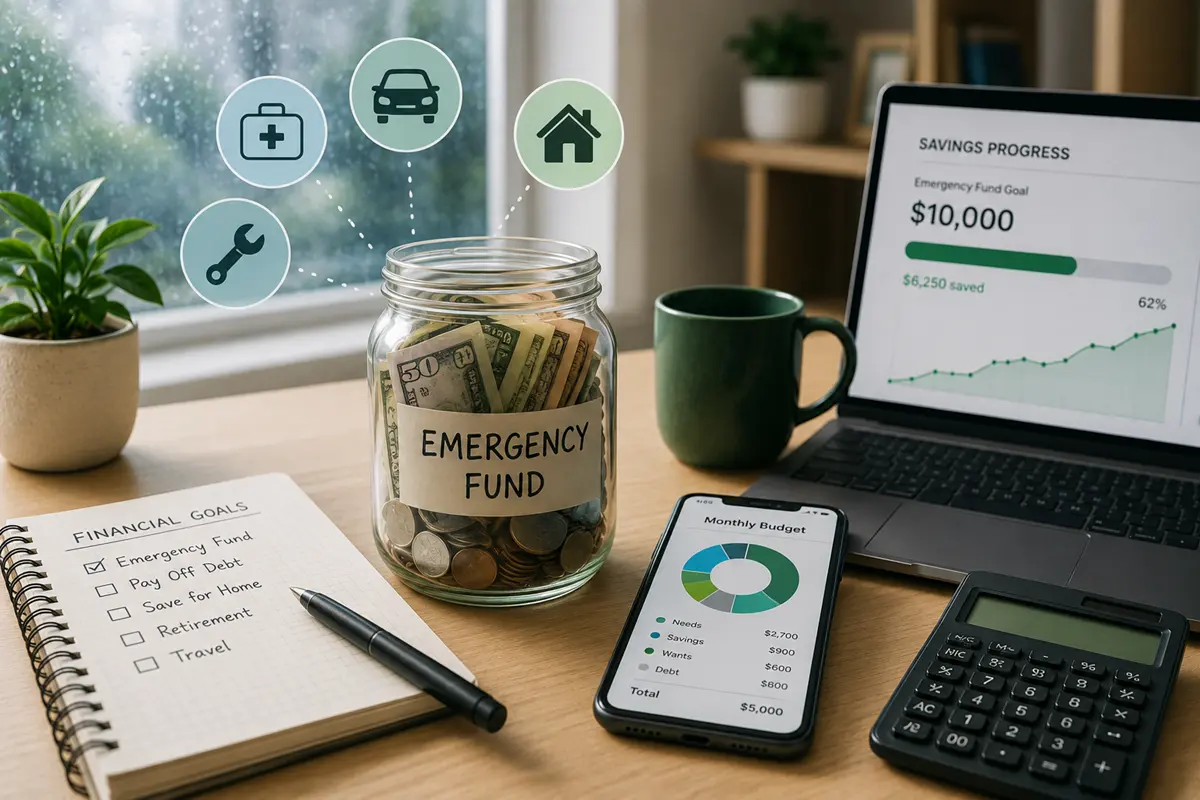
Life has a way of catching us off guard.
Your car breaks down on the way to work.
The washing machine stops working.
A medical bill arrives unexpectedly.
Your company announces layoffs.
None of these situations are unusual, yet many people are forced to rely on credit cards or personal loans simply because they don’t have cash available when they need it most.
That’s exactly why an emergency fund exists.
An emergency fund isn’t money that’s meant to grow quickly or generate investment returns. Its purpose is much simpler: to protect you from turning unexpected problems into long-term financial setbacks.
Think of it as financial insurance for your everyday life.
If an emergency never happens this month, that’s great. Your savings remain untouched. But when life inevitably throws you a surprise, you’ll be grateful that you planned ahead.
Why everyone needs an emergency fund
Financial emergencies don’t happen because someone is bad with money.
They happen because life is unpredictable.
A sudden expense can affect anyone, regardless of income.
Without emergency savings, many people are forced to:
- Use high-interest credit cards
- Borrow money from family or friends
- Take out expensive personal loans
- Delay paying important bills
- Withdraw money from retirement accounts
Each of these solutions can create even bigger financial problems later.
An emergency fund helps you avoid making stressful decisions when you’re already under pressure.
What is an emergency fund?
An emergency fund is money set aside specifically for unexpected expenses that cannot reasonably be planned for.
The key word is unexpected.
This isn’t the same as saving for a vacation, buying a new phone, or paying holiday expenses.
Those are planned purchases.
An emergency fund is reserved for situations that threaten your financial stability or your ability to cover essential living expenses.
It should remain untouched until a genuine emergency occurs.
What counts as a financial emergency?
Not every surprise expense qualifies as an emergency.
A good rule is to ask yourself one question:
“Could I have reasonably planned for this?”
If the answer is yes, it probably shouldn’t come from your emergency fund.
Typical emergencies include:
- Job loss
- Medical expenses
- Emergency home repairs
- Major car repairs
- Urgent travel due to a family emergency
- Essential appliance replacement
- Unexpected veterinary bills
Expenses that usually don’t qualify include:
- Holidays
- Shopping
- New electronics
- Concert tickets
- Restaurant visits
- Planned home renovations
- Seasonal sales
How much should you save?
There’s no single emergency fund amount that works for everyone.
The right size depends on your income, monthly expenses, job stability, and family situation.
Instead of focusing on a specific dollar amount, financial experts usually recommend saving enough to cover several months of essential living expenses.
As a general guideline:
| If you are… | Recommended emergency fund |
|---|---|
| Single with stable income | 3 months of expenses |
| Couple with two incomes | 3–4 months |
| Self-employed or freelancer | 6–12 months |
| Single-income household | 6 months or more |
| Retired | 6–12 months |
Notice that these recommendations are based on expenses, not income.
If your essential monthly expenses are $3,000, then a six-month emergency fund would be:
$3,000 × 6 = $18,000
That’s your target—not necessarily something you need to save immediately.
Start with a smaller milestone
Many people become discouraged because the final number seems overwhelming.
Instead of aiming for $20,000 right away, break the goal into smaller milestones.
For example:
| Milestone | Goal |
|---|---|
| Starter fund | $500 |
| First safety cushion | $1,000 |
| One month of expenses | $3,000 |
| Three months of expenses | $9,000 |
| Six months of expenses | $18,000 |
Reaching smaller goals creates momentum and makes saving feel much more achievable.
Where should you keep your emergency fund?
An emergency fund should meet three important requirements.
It should be:
- Safe
- Easy to access
- Separate from your everyday spending account
The purpose isn’t to earn the highest possible return.
The purpose is to have money available when you need it immediately.
Many people choose:
- A high-yield savings account
- A money market account
- A separate bank savings account
- A cash management account
Avoid keeping your emergency fund in investments such as stocks or cryptocurrencies.
If the market falls just before you need the money, you could be forced to sell at a loss.
Your emergency fund is about stability—not growth.
How to build your emergency fund faster
Saving thousands of dollars may sound difficult, but small habits often make the biggest difference over time.
Pay yourself first
Treat savings like a monthly bill.
Schedule an automatic transfer to your savings account on payday before you spend anything else.
If you never see the money in your checking account, you’re much less likely to spend it.
Save unexpected income
Bonuses, tax refunds, cashback rewards, or gifts can provide a significant boost to your emergency fund.
Instead of spending the entire amount, consider saving at least part of it.
Cut one unnecessary expense
You don’t need to eliminate everything you enjoy.
Sometimes removing just one recurring expense is enough.
Examples include:
- An unused subscription
- Premium streaming services
- Frequent food delivery
- Daily specialty coffee
- Impulse online shopping
Even saving $100 per month adds up to $1,200 per year.
Increase your income
Saving isn’t only about spending less.
You can also build your emergency fund faster by earning more.
Ideas include:
- Freelancing
- Selling unused items
- Weekend side jobs
- Tutoring
- Pet sitting
- Ride-sharing
- Seasonal work
A temporary increase in income can significantly shorten the time needed to reach your savings goal.
When should you use your emergency fund?
Before withdrawing money, ask yourself three questions.
Is the expense unexpected?
Is it necessary?
Can it wait?
If the answer is yes, yes, and no, your emergency fund is probably the right place to cover the expense.
After using the money, make rebuilding your fund a priority.
Think of it as refilling your financial safety net.
Common mistakes
Investing your emergency fund
Higher returns are attractive, but emergency savings should never depend on market performance.
Saving too little
A few hundred dollars is a great start, but it may not be enough to cover a prolonged emergency.
Keep building your fund even after reaching your first milestone.
Using it for non-emergencies
A vacation discount, a new phone, or holiday shopping might feel urgent, but they aren’t emergencies.
Protect your emergency fund by using it only when it’s truly necessary.
Keeping it in your everyday checking account
If your emergency savings sit next to the money you use every day, you’ll be more tempted to spend them.
A separate account creates a helpful psychological barrier.
Signs your emergency fund is working
You know your emergency fund is doing its job when:
- Unexpected bills no longer cause panic.
- You rely less on credit cards.
- You don’t need to borrow money from friends or family.
- Financial setbacks become temporary rather than long-term problems.
- You feel more confident making financial decisions.
An emergency fund doesn’t eliminate financial surprises.
It simply gives you the ability to handle them without creating new financial stress.
Frequently asked questions
How much should I have in an emergency fund?
A good goal is to save enough to cover three to six months of essential living expenses. If you’re self-employed or have an unpredictable income, consider building a larger fund that covers six to twelve months.
Is $1,000 enough for an emergency fund?
A $1,000 emergency fund is an excellent first milestone. It can cover many unexpected expenses, such as car repairs or medical bills, but most people should continue saving until they have several months of expenses set aside.
Should I pay off debt before building an emergency fund?
It’s generally wise to save a small emergency fund first, even if you have debt. Having some cash available can prevent you from relying on high-interest credit cards when unexpected expenses arise.
Where is the best place to keep an emergency fund?
A high-yield savings account is one of the best options because it keeps your money safe, easily accessible, and separate from your daily spending account.
Should I invest my emergency fund?
No. Emergency savings should not be invested in assets that can lose value, such as stocks or cryptocurrencies. The primary goal is stability and quick access—not high returns.
Can I use my emergency fund for a vacation?
No. Vacations are planned expenses and should have their own savings goal. An emergency fund should only be used for unexpected and essential financial situations.
How long does it take to build an emergency fund?
That depends on your income and savings rate. Someone saving $300 each month could build a $3,600 emergency fund in one year. The key is consistency rather than speed.
What should I do after using my emergency fund?
Start rebuilding it as soon as your financial situation allows. Replacing the money you used helps ensure you’re prepared for the next unexpected expense.
Bottom line
An emergency fund is one of the simplest—and most valuable—financial tools you can build.
It won’t make you wealthy overnight or generate impressive investment returns. Instead, it gives you something even more important: financial stability when life doesn’t go according to plan.
Whether it’s a medical emergency, an unexpected repair, or a temporary loss of income, having cash set aside allows you to handle the situation without relying on debt or disrupting your long-term financial goals.
The best time to start was yesterday.
The second-best time is today.
Even if you begin with just $25 or $50 per week, consistent saving can grow into a financial cushion that gives you greater confidence, flexibility, and peace of mind.