Tag: Ryanair

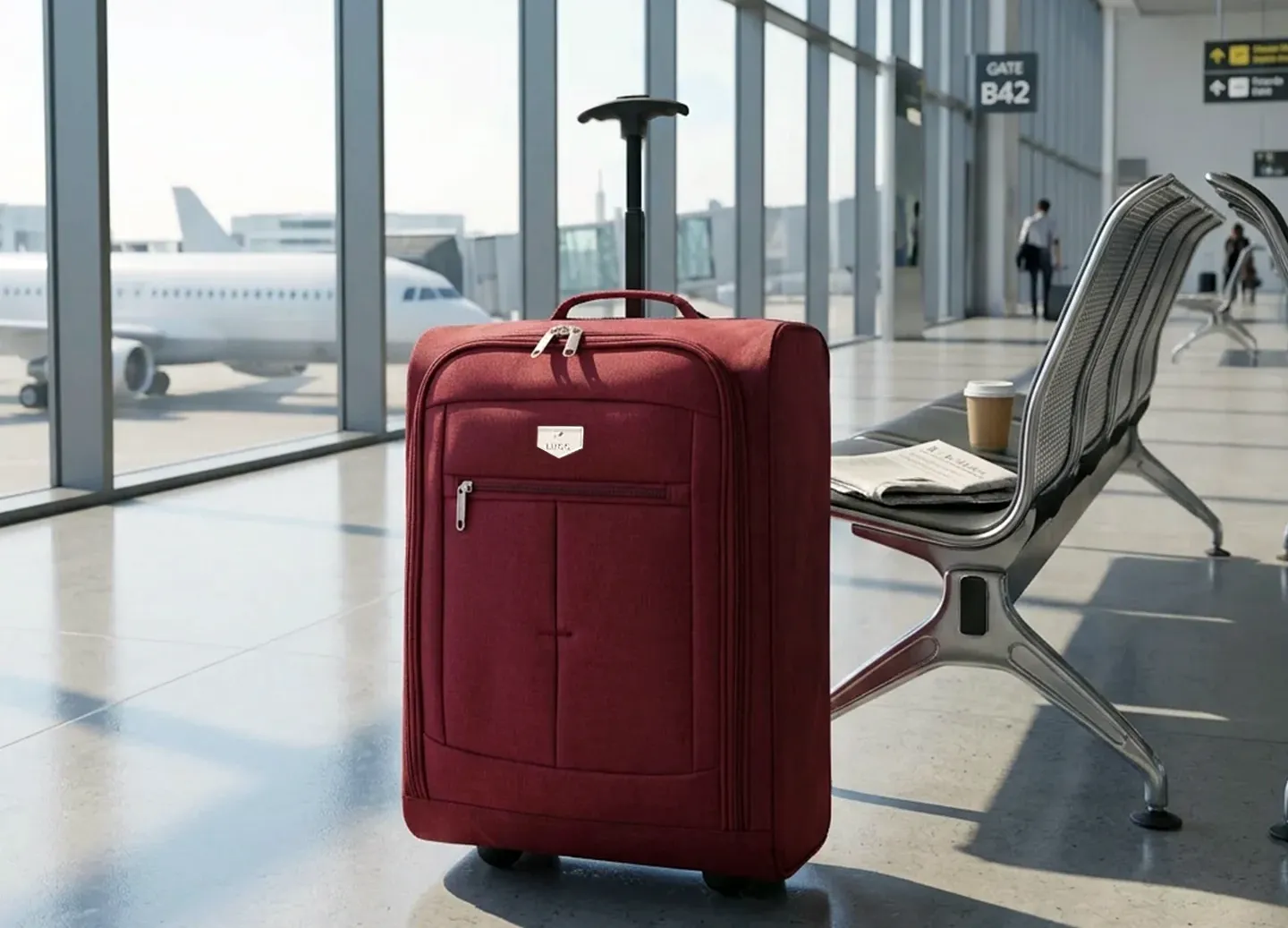
  • Europe just changed the rules for flying – But your cabin bag is not free yet

    Europe just changed the rules for flying – But your cabin bag is not free yet

    You book a €29 flight.

    Then the airline asks for another €25 for a cabin bag.

    Another €14 to sit next to your child.

    And if you missed the outbound flight?

    You might discover that the return ticket you already paid for has become a problem too.

    For years, these have been some of the most frustrating parts of flying in Europe.

    Now the rules are changing.

    On October 2, 2026, the European Union published Regulation (EU) 2026/2202, a major overhaul of European air-passenger rights. It introduces new rules covering hand baggage, family seating, missed outbound flights, rerouting, assistance during disruption and more.

    But before you celebrate by arriving at the airport tomorrow with a free trolley bag, there is one crucial detail.

    Most of these new rights do not apply yet.

    According to the official EUR-Lex record, the regulation enters into force on October 22, 2026, but its rules are scheduled to apply from October 23, 2027.

    That distinction changes almost everything.

    So here is what the new EU airline rules actually mean — without the headline confusion.

    First: No, the EU has not simply made every cabin suitcase free

    This is likely to become the biggest misconception.

    The new rules distinguish between:

    PERSONAL ITEM
    
    and
    
    HAND BAGGAGE

    They are not necessarily the same thing.

    Under the new framework, passengers will be entitled to bring one personal item into the cabin at no extra cost.

    The Council of the EU describes a personal item as something such as:

    Handbag
    Small backpack
    Laptop-style bag

    with a benchmark size of:

    40 × 30 × 15 cm

    or an item that fits under the seat in front of you.

    That is the genuinely free part.

    What about the larger cabin bag?

    This is where the headline:

    “EU makes cabin baggage free”

    becomes misleading.

    The regulation requires airlines to make fares including an allowance for a piece of hand baggage visible by default before the booking process begins.

    That should make airline prices easier to compare.

    But airlines can still offer a cheaper fare to passengers who voluntarily travel without that hand baggage.

    So think of it like this.

    Personal item

    Free

    under the new rules.

    Larger hand/cabin baggage

    A fare including it must be clearly displayed

    but airlines can still sell a cheaper product without it.

    That is very different from:

    Every passenger gets a free trolley suitcase.

    They do not.

    Why this could still be a big improvement

    Imagine two airlines.

    Airline A

    Headline fare: €39
    
    Cabin bag: €27
    
    Real fare you need:
    €66

    Airline B

    Headline fare: €55
    
    Cabin bag included
    
    Real fare:
    €55

    Today, Airline A looks cheaper during the first stage of the search.

    Under the new rules, the EU wants passengers to see fares including hand baggage before the booking process starts, making comparisons less misleading.

    The benefit is not necessarily:

    “Your bag becomes free.”

    The benefit is:

    The true price should become easier to see.

    That is potentially much more useful.

    The Fintayo rule: compare the trip, not the headline fare

    This becomes especially important with low-cost airlines.

    Suppose you see:

    AIRLINE A
    Ticket: €34

    and:

    AIRLINE B
    Ticket: €59

    You immediately assume:

    Airline A saves €25.

    But then:

    AIRLINE A
    
    Ticket:       €34
    Cabin bag:    €28
    Seat:         €13
    
    REAL TOTAL:   €75

    while:

    AIRLINE B
    
    Ticket:       €59
    Cabin bag:     €0
    Seat:          €0
    
    REAL TOTAL:   €59

    The “€34 flight” was actually:

    €16 more expensive.

    That is exactly why baggage-price transparency matters.

    Families get another important protection

    The new rules also strengthen family seating.

    The Council says families travelling with children will have the right to be seated together without an additional charge.

    The European Commission’s explanation specifies children under 14.

    This matters because seat selection becomes expensive very quickly.

    Imagine:

    2 adults
    2 children
    return flight

    Seat selection:

    €14 per person

    Calculation:

    €14
    × 4 passengers
    × 2 flights
    =
    €112

    A family may currently pay more than €100 simply to guarantee an acceptable seating arrangement.

    Under the new framework, families travelling with children under 14 gain stronger protection against having to pay just to sit together.

    But “together” does not mean any seat you want

    There is an important distinction.

    Free family seating does not mean:

    Free exit row
    Free extra legroom
    Free front row
    Free window preference

    It means the airline cannot turn the basic need for an accompanying adult and child to sit together into an extra-fee opportunity.

    Premium seat products can remain premium products.

    Missed your outbound flight? Your return is better protected

    This is another major change.

    Imagine you book:

    Rome → Paris
    Paris → Rome

    on one itinerary.

    At the last minute, you decide to travel to Paris by train.

    You still want to use your return flight.

    Historically, so-called no-show clauses could create problems because missing one part of an itinerary could affect later segments.

    The new EU rules ban airlines from denying a passenger boarding on the return flight simply because they did not take the outbound flight.

    That is a meaningful consumer protection.

    Under the new framework:

    Missed outbound flight
    ≠
    automatic loss of return flight

    This does not mean you can ignore every flight segment

    Be careful.

    The rule concerns protection against being denied the return flight merely because you skipped the outbound sector.

    That does not mean travellers should assume every multi-segment ticket can be freely rearranged.

    Connecting itineraries, fare conditions and operational rules can still matter.

    The practical Fintayo advice remains:

    If you intentionally will not take a flight segment, contact the airline.

    The difference is that the new EU framework gives passengers stronger protection against losing a return journey simply because the outward trip was not used.

    Another big change: airlines get three hours to reroute you properly

    Disruption is where the regulation becomes particularly interesting.

    The Council’s summary says airlines must offer rerouting at the earliest opportunity, potentially including:

    • another airline;
    • another airport;
    • alternative transport;

    when appropriate.

    More importantly, if the airline fails to provide an appropriate rerouting option within three hours after the disruption, passengers may arrange alternative transport themselves and request reimbursement.

    There is a limit:

    Up to four times
    the original ticket price

    according to the Council’s explanation of the revised rules.

    That could fundamentally change the decision during a cancellation.

    Example

    Your original ticket:

    €120

    Flight cancelled.

    Airline gives you no reasonable rerouting within three hours.

    Potential reimbursement ceiling for self-rerouting:

    €120 × 4
    =
    €480

    You find another suitable flight for:

    €310

    Under the new framework, that kind of self-rerouting can become significantly easier to justify.

    But document everything.

    Keep:

    Cancellation notice
    Screenshots of airline alternatives
    Times
    Receipts
    Alternative-ticket confirmation
    Communication with airline

    Never rely on memory during a reimbursement claim.

    Food and drinks become clearer too

    Waiting during a disruption produces another familiar airport scene.

    The flight is delayed.

    Everyone asks:

    “Are we entitled to food yet?”

    Under the revised framework, the Council says the right to assistance becomes more explicit.

    It includes:

    Refreshments:
    every 2 hours of waiting
    
    Meal:
    after 3 hours
    
    Additional meal:
    every 5 hours thereafter
    
    Maximum:
    3 meals per day

    plus internet access and two telephone calls.

    If the airline fails to provide required assistance, passengers can make their own reasonable arrangements and request reimbursement.

    The Council says necessary, reasonable and proportionate expenses should then be reimbursed within 14 calendar days after the request is received.

    “Reasonable” remains the important word

    A delayed flight does not turn this:

    Meal entitlement

    into:

    €220 champagne dinner

    If you need to buy food because the airline has not provided it, keep the expense reasonable.

    Think:

    Sandwich
    Meal
    Water
    Coffee

    rather than:

    Luxury restaurant
    Premium alcohol
    Celebration dinner

    And always keep the receipt.

    No receipt:

    Harder claim

    Receipt:

    Much stronger claim

    Current compensation rights do not disappear today

    The Council currently explains EU passenger protection as providing potential compensation where qualifying flights arrive more than three hours late or are cancelled less than 14 days before departure, depending on circumstances.

    The familiar amounts are:

    €250
    Flights up to 1,500 km
    
    €400
    Certain intra-EU flights and flights
    between 1,500 and 3,500 km
    
    €600
    Other qualifying flights

    Whether compensation is actually owed depends on the circumstances, including the cause of the disruption.

    So never use:

    My flight was late
    =
    I automatically get €600

    as your calculation.

    Eligibility comes first.

    Who is actually covered by EU passenger rules?

    This is another common misunderstanding.

    You do not need to be an EU citizen.

    The Council states that EU passenger-rights rules generally cover passengers:

    Flying within the EU
    
    Departing the EU
    to a non-EU country
    
    Arriving in the EU
    from outside the EU
    when flying with an EU airline

    That is particularly useful for travellers from non-EU countries.

    Your passport is not necessarily what determines whether EU261-style protection applies.

    The itinerary and operating carrier matter.

    The most important date is not October 2, 2026

    This is where today’s headlines can cause expensive mistakes.

    The regulation was published:

    October 2, 2026

    It enters into force:

    October 22, 2026

    But EUR-Lex lists its application date as:

    October 23, 2027

    So if you fly:

    next week
    next month
    Christmas 2026
    summer 2027

    do not assume every new rule described in this article already applies.

    The existing rules and the airline’s current baggage and seating policies still matter until the new provisions become applicable.

    That one fact may be the most valuable part of this entire article.

    So what should you do today?

    If you are booking a flight now, continue checking the airline’s actual fare conditions.

    Do not arrive with:

    40 × 30 × 15 cm personal item
    +
    large trolley

    and tell the gate agent:

    “The EU says this is free.”

    The regulation being published does not make all its substantive provisions immediately applicable.

    For current travel, check:

    Personal-item dimensions
    Cabin-bag dimensions
    Cabin-bag weight
    Fare type
    Seat-selection rules
    Family-seating rules

    directly with the airline.

    The Fintayo booking test

    Before buying a low-cost ticket, create this comparison:

    AIRLINE A
    
    Base fare:             €
    Personal item:         €
    Cabin bag:             €
    Checked bag:           €
    Seat required:         €
    Payment fee:           €
    Transfer to airport:   €
    
    REAL TOTAL:            €

    Then do exactly the same for Airline B.

    Do not compare:

    €29 vs €46

    Compare:

    €87 vs €72

    if those are the amounts required for the trip you actually intend to take.

    What changes from October 2027?

    Based on the legislation published now, the major practical changes include:

    • one personal item in the cabin at no extra cost;
    • clearer display of fares that include hand baggage;
    • airlines retaining the ability to offer cheaper fares without that larger hand baggage;
    • stronger free family-seating protection;
    • protection against losing a return flight merely because the outbound sector was missed;
    • clearer rerouting obligations;
    • more explicit assistance during long disruption;
    • strengthened protection for passengers with disabilities or reduced mobility.

    That is a substantial reform.

    It is just not a universal:

    “Free cabin suitcase for everyone.”

    The Fintayo screenshot rule

    One practical habit becomes even more useful as airline pricing gets regulated more tightly.

    When booking, screenshot:

    Fare displayed
    Baggage included
    Seat conditions
    Final price

    Why?

    Because if your booking later says something different, you have evidence of what was presented during purchase.

    Do the same for:

    Cancellation
    Delay
    Alternative flight offered
    Airline chat
    Reimbursement promise

    Digital travel creates digital evidence.

    Use it.

    The 2027 reminder worth setting now

    If you travel frequently in Europe, put this date somewhere:

    23 October 2027

    That is when EUR-Lex says Regulation (EU) 2026/2202 becomes applicable.

    Around that point, re-check:

    Ryanair
    Wizz Air
    easyJet
    Lufthansa
    Air France
    KLM
    ITA
    other carriers you use

    because their fare structures and booking interfaces may change to comply with the new framework.

    Some may adjust well before the legal deadline.

    Others may wait.

    The Fintayo takeaway

    The EU has genuinely changed airline passenger rights.

    But the viral version of the story will probably become:

    “Cabin bags are now free in Europe.”

    That is too simple.

    The more accurate version is:

    Passengers will get a free personal item, fares including larger hand baggage must become much easier to see and compare, and several other passenger protections become stronger.

    And there is an even more important detail:

    The new framework is published now, but its main rules are not scheduled to apply until October 23, 2027.

    So do not fight a gate agent in 2026 over a trolley bag based on a headline.

    Know:

    what changed,
    what did not,
    and when the change actually starts.

    That is the difference between travel news and a travel hack.

    Sources

    The primary source is Regulation (EU) 2026/2202, published in the Official Journal of the European Union on October 2, 2026. EUR-Lex lists October 22, 2026 as its entry-into-force date and October 23, 2027 as the application date.

    The Council of the EU’s passenger-rights guidance explains the new personal-item rule, hand-baggage fare transparency, family seating, no-show protection, rerouting and passenger-assistance provisions.
  • The €80 seat selection trap: When paying to choose your airline seat is actually worth it

    The €80 seat selection trap: When paying to choose your airline seat is actually worth it

    You find a flight for €49.

    Excellent.

    Then comes the seat map.

    Window seat:

    €18

    Aisle:

    €16

    Front rows:

    €22

    Two passengers flying return can suddenly add:

    €18 × 2 people × 2 flights
    =
    €72

    A family of four can easily turn a small seat fee into a three-digit extra.

    And that is exactly why seat selection should not be treated as an automatic part of buying a flight.

    Sometimes it is worth every euro.

    Sometimes you are paying simply because the booking screen made skipping it feel uncomfortable.

    First question: what happens if you pay nothing?

    This varies by airline.

    Ryanair currently offers free random seat allocation during check-in for passengers who do not buy a reserved seat. The free-seat check-in window opens 24 hours before departure.

    Wizz Air similarly offers a complimentary random seat if you decline paid selection, with check-in generally opening 24 hours before departure. It warns that multiple passengers on the same booking are not guaranteed adjacent random seats.

    easyJet also automatically allocates seats at check-in when passengers do not pay. Its system says it tries to place people on the same booking near each other, subject to availability, but does not guarantee this.

    So the starting point is important:

    On these airlines, paying for seat selection is normally paying for certainty or preference—not for the basic right to have a seat.

    The €15 illusion

    A booking screen shows:

    Seat: €15

    It feels minor.

    But calculate the trip, not one seat on one sector.

    Solo return trip:

    €15 × 2
    =
    €30

    Couple:

    €15 × 2 passengers × 2 flights
    =
    €60

    Family of four:

    €15 × 4 × 2
    =
    €120

    Now ask:

    Would I pay €120 for our preferred seating arrangement on a four-hour weekend trip?

    That is the real purchase.

    The Fintayo seat equation

    Calculate:

    TOTAL SEAT COST
    =
    seat fee
    × passengers
    × flight sectors

    Then divide by the total flight fare.

    Example:

    4 tickets:
    €420
    
    Seat selection:
    €120

    Seat selection adds:

    €120 ÷ €420
    =
    28.6%

    Your €420 airfare has effectively become:

    €540

    before bags, transfers or food.

    The seat was not a €15 decision.

    It increased the airfare by almost 29%.

    When paying for a seat makes sense

    1. You genuinely need a specific seat

    Some passengers strongly prefer:

    Aisle
    Window
    Front section
    Extra legroom

    For a six-hour flight, paying €15–€25 for the seat you actually want can be reasonable.

    For a 55-minute flight, the value is lower.

    The question is not whether €15 is expensive.

    It is:

    €15 ÷ flight hours

    For a one-hour flight:

    €15 per hour

    For a five-hour flight:

    €3 per hour

    The same seat fee becomes easier to justify as flight time increases.

    2. You need extra legroom

    This is a different product from ordinary seat selection.

    easyJet, for example, distinguishes Standard, Up Front and Extra Legroom seats, with the latter carrying additional benefits depending on the fare and product.

    If you are tall, have mobility considerations or simply know that standard legroom creates a miserable four-hour flight, paying for extra space is not comparable with paying €15 just to convert seat 21B into 21A.

    Evaluate:

    Standard preferred seat
    vs
    actual comfort upgrade

    separately.

    3. You have a tight connection

    A seat near the front can sometimes save useful minutes after landing.

    Suppose your connection is:

    55 minutes

    and your first flight is already 15 minutes late.

    Now sitting in:

    Row 4

    instead of:

    Row 31

    may have practical value.

    But do not overestimate it.

    The aircraft may use:

    • buses;
    • front and rear stairs;
    • remote stands;
    • delayed doors.

    A €25 front seat does not guarantee a fast connection.

    It only improves your odds in certain airport setups.

    4. You are travelling with children

    This requires much more care than the standard “pay or be separated” sales message suggests.

    Current policies differ.

    Wizz Air says children aged 2–14 are automatically assigned next to an accompanying adult during check-in, although the entire family may not sit together.

    Ryanair’s June 2026 family policy says up to four children can receive reserved seats beside the accompanying adult without an additional child seat-selection charge under its family seating system; the adult seat rules depend on the chosen arrangement.

    EASA’s operational guidance says that where a child under 12 travels with an adult in the same cabin, the child should be seated in the same seat-row segment where possible, or otherwise no more than one seat row or aisle away.

    That does not mean every family will automatically receive four seats in one perfect row.

    Read the specific airline policy before paying for the whole family.

    Example: the family overpayment

    Imagine:

    2 adults
    2 children
    Return flight

    Seat map:

    €17 each

    Selecting all four each way:

    €17 × 4 × 2
    =
    €136

    But the airline’s child policy may already guarantee or facilitate a child sitting next to an adult.

    The family may actually care only about:

    Child 1 beside Adult 1
    Child 2 beside Adult 2

    not:

    All four together in one row.

    Those are different objectives.

    Do not pay €136 for a result that the airline policy may partly provide anyway.

    When we would skip seat selection

    Solo traveller, short flight

    Example:

    Flight: 1h 20m
    Seat selection: €19

    You are travelling alone.

    You have no strong window/aisle preference.

    Skip it.

    Your free assigned seat may be a middle seat.

    For 80 minutes, the saving can easily be worth it.

    Couple who can survive two hours apart

    This sounds almost ridiculous, but the booking process can create strong psychological pressure:

    “Seats together are running out.”

    Imagine:

    Return seat selection:
    €64 total

    Flight duration:

    1h 45m each way

    Worst case:

    You sit separately for:

    3.5 total hours

    You keep:

    €64

    Effective saving:

    €18.29 per hour spent apart

    Some couples would happily take that trade.

    The €10-per-hour rule

    Here is a useful Fintayo shortcut.

    Calculate:

    Seat fee
    ÷
    flight duration

    Under €3 per flight hour

    Usually reasonable when the preferred seat matters to you.

    €3–€10 per hour

    Personal choice.

    More than €10 per hour

    We would want a meaningful reason:

    • extra legroom;
    • family need;
    • mobility;
    • connection;
    • specific work/sleep requirement.

    Paying €22 to choose a standard window seat on a 70-minute flight is a very different value proposition from paying €22 on a seven-hour flight.

    Seat selection can be bundled

    Never buy a seat in isolation before checking the next fare tier.

    Example:

    Basic

    Flight: €75
    Seat: €17
    Cabin bag: €30
    
    Total: €122

    Bundle

    Flight bundle: €112
    Includes:
    Seat
    Cabin bag
    Priority

    Suddenly the bundle is cheaper.

    The reverse also happens.

    A bundle may contain five benefits you do not need.

    Compare:

    Basic + only extras you will actually buy

    with:

    bundle total

    Wizz Air itself distinguishes between free random seats, individually purchased seats and seat benefits included through certain bundles or memberships.

    Do not buy seats twice

    This sounds obvious.

    Yet travellers sometimes:

    1. purchase a higher fare including seat selection;
    2. reach the seat map;
    3. choose a premium seat carrying an additional charge;
    4. assume the upgrade is included.

    Always read the final basket.

    Ask:

    Is this seat included in my fare?
    
    or
    
    Is this seat an upgrade from the included seat?

    The middle-seat fear is worth a number

    Suppose you dislike middle seats enough that you would pay:

    €8

    to avoid one.

    Fine.

    Then €8 is your personal middle-seat value.

    If the airline asks:

    €24

    you know the answer.

    Your booking decision becomes:

    My value: €8
    
    Airline price: €24
    
    Skip

    This is much more rational than becoming afraid of the seat map because only a few windows appear available.

    Never judge aircraft fullness from the seat map alone

    A seat map does not necessarily represent all unsold seats.

    It can show:

    • seats not yet selected;
    • blocked seats;
    • seats available for paid selection;
    • passengers holding tickets but without chosen seats.

    So:

    Only 6 selectable seats left

    does not necessarily mean:

    Only 6 unsold tickets remain.

    easyJet, for example, describes seat availability displays in terms of seats still available for selection, not total unsold aircraft inventory.

    Do not let a seat map manufacture urgency that is unrelated to the ticket itself.

    Emergency exit seats are not for everyone

    Extra legroom often means an exit-row seat.

    But safety restrictions apply.

    EASA rules and guidance restrict certain passengers from exit seating and set specific conditions for child-restraint locations.

    Do not purchase an exit-row seat solely for legroom without checking eligibility.

    The airline can move a passenger who does not meet safety requirements.

    The family strategy that saves money

    Instead of immediately buying four premium seats:

    Step 1

    Read the airline’s child seating policy.

    Step 2

    Define the minimum acceptable outcome.

    Example:

    Adult + child
    Adult + child

    rather than:

    Four seats together

    Step 3

    Check whether that minimum is provided by policy.

    Step 4

    Only pay extra if you want:

    specific row
    specific side
    front cabin
    extra legroom
    everyone together

    This separates need from preference.

    The couple strategy

    Ask one question:

    If we are assigned separately,
    will it materially affect the trip?

    For:

    50-minute flight

    probably not.

    For:

    overnight long-haul flight

    possibly yes.

    The booking screen treats both the same.

    You should not.

    The solo strategy

    Seat selection is easiest for solo travellers.

    Skip the fee unless you value:

    Window
    Aisle
    Extra space
    Front rows

    more than the displayed price.

    A solo traveller has no seating-together risk.

    That removes the strongest reason to pre-select a standard seat.

    Copy-and-paste Seat Selection Test

    AIRLINE:
    
    ROUTE:
    
    FLIGHT DURATION:
    
    PASSENGERS:
    
    ================================
    
    SEAT PRICE PER PERSON:
    
    OUTBOUND:
    €
    
    RETURN:
    €
    
    TOTAL SEAT COST:
    €
    
    ================================
    
    TOTAL AIRFARE:
    €
    
    SEAT COST AS % OF AIRFARE:
    %
    
    ================================
    
    WHY AM I BUYING?
    
    [ ] Sit with child
    [ ] Sit with partner
    [ ] Window
    [ ] Aisle
    [ ] Extra legroom
    [ ] Front of aircraft
    [ ] Tight connection
    [ ] Mobility/comfort
    [ ] I just prefer certainty
    
    ================================
    
    AIRLINE FREE-SEATING POLICY CHECKED?
    
    [ ] Yes
    [ ] No
    
    CHILD/FAMILY POLICY CHECKED?
    
    [ ] Yes
    [ ] Not applicable
    
    ================================
    
    WHAT HAPPENS IF I PAY NOTHING?
    
    ______________________________
    
    IS THAT OUTCOME ACCEPTABLE?
    
    [ ] Yes
    [ ] No
    
    ================================
    
    DECISION:
    
    [ ] Pay
    [ ] Take free allocation

    The Fintayo takeaway

    Seat selection is one of the easiest airline extras to buy without calculating its real cost.

    The booking interface shows:

    €15

    Your card statement may eventually show:

    €120

    The correct decision is not:

    “Do I want this seat?”

    It is:

    “What happens if I do not pay, and how much is avoiding that outcome worth to me?”

    For a solo passenger on a one-hour flight, the answer may be:

    €0

    For a parent travelling with children, a tall passenger on a four-hour flight or someone with a critical connection, the answer may be much higher.

    Pay for the outcome you need.

    Not for the anxiety created by the seat map.